
Model. analyze. optimize.

Thermodynamic Simulation for Thermal and Energy Applications

EUtech's thermodynamic simulation solutions help engineering teams model, understand and optimize thermal processes and energy systems across concept development, component sizing, control strategy design and validated operation

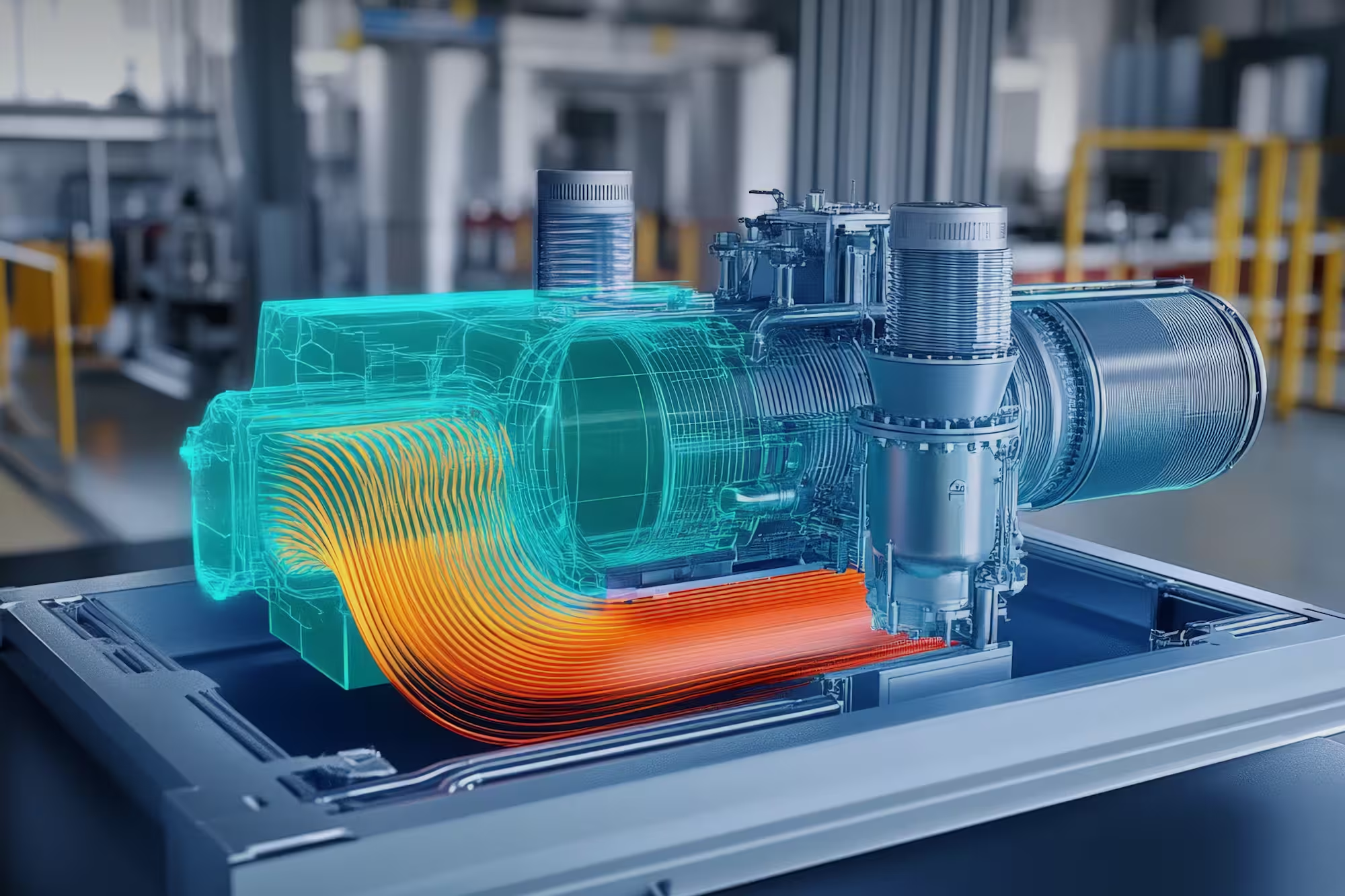
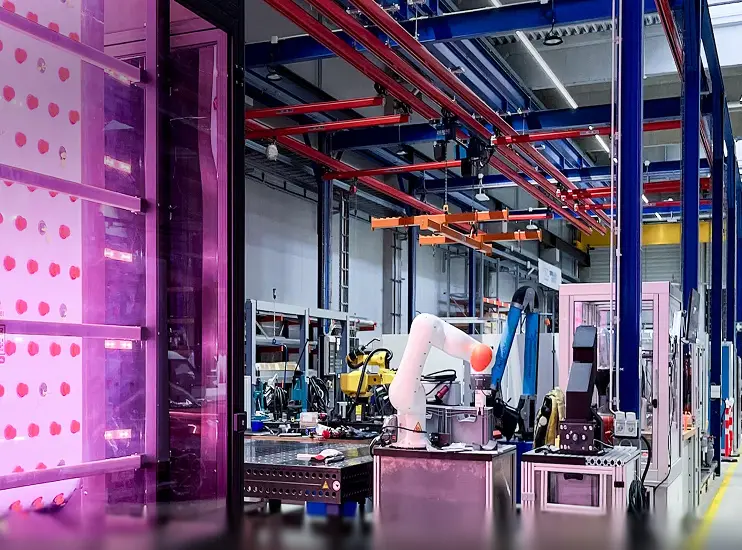
3D thermodynamic simulation of airflow inside an industrial machine in a factory setting.
solution

Thermodynamic Modeling and Simulation

We develop and apply thermodynamic models that help engineering teams understand thermal system behavior, compare energy concepts, optimize performance and validate decisions before costly hardware commitments

Key Challenges

Broad application range across thermal, energy and industrial systems

Unpredictable performance under changing loads and temperatures

Limited test coverage across concepts and operating states

Isolated development of thermal behavior, efficiency and controls

High validation effort before reliable operation is confirmed

Our Solution

Application-specific models for thermal management, HVAC and process heat

Virtual scenarios for transients, part-load behavior and limits

System-level analysis of heat transfer, efficiency and control interactions

Variant comparison for architecture, sizing and operating strategy

Validated results using measurement data and test-bench correlation

Contact
25+ Years of Experience
Model-Based Engineering Expertise
Simulation, Testing and Validation
competencies

Thermodynamic Simulation Expertise

System Modeling

Building physics-based models of thermal systems, energy balances, working media, heat transfer, pressure losses and operating behavior

Component Simulation

Simulating components in detail to understand their behavior and interaction with the overall system design across relevant operating points

Dynamic Behavior Analysis

Simulating start-up, load changes, part-load operation, emergency shut-down procedures and transient behavior under realistic boundary conditions

Control Strategy Validation

Evaluating operating strategies, control loops and system response before implementation on the real thermal or energy system

Model Validation

Calibrating and correlating simulation models using process measurement data, test-bench results and practical engineering experience

From thermal complexity to validated simulation models, trusted expertise for reliable energy system decisions.

Contact
benefits

Turning Simulation into Reliable Decisions

Concept Clarity

Compare system concepts before hardware choices become costly

Reusable Models

Build simulation assets for future variants and optimization

Energy Efficiency

Identify losses, integration potential and operating improvements

Validated Performance

Confirm system behavior across real operating conditions

Applications

Proven Thermal System Simulation

Make use of thermodynamic simulation for thermal and energy applications tailored to technical requirements, real operating conditions and practical validation

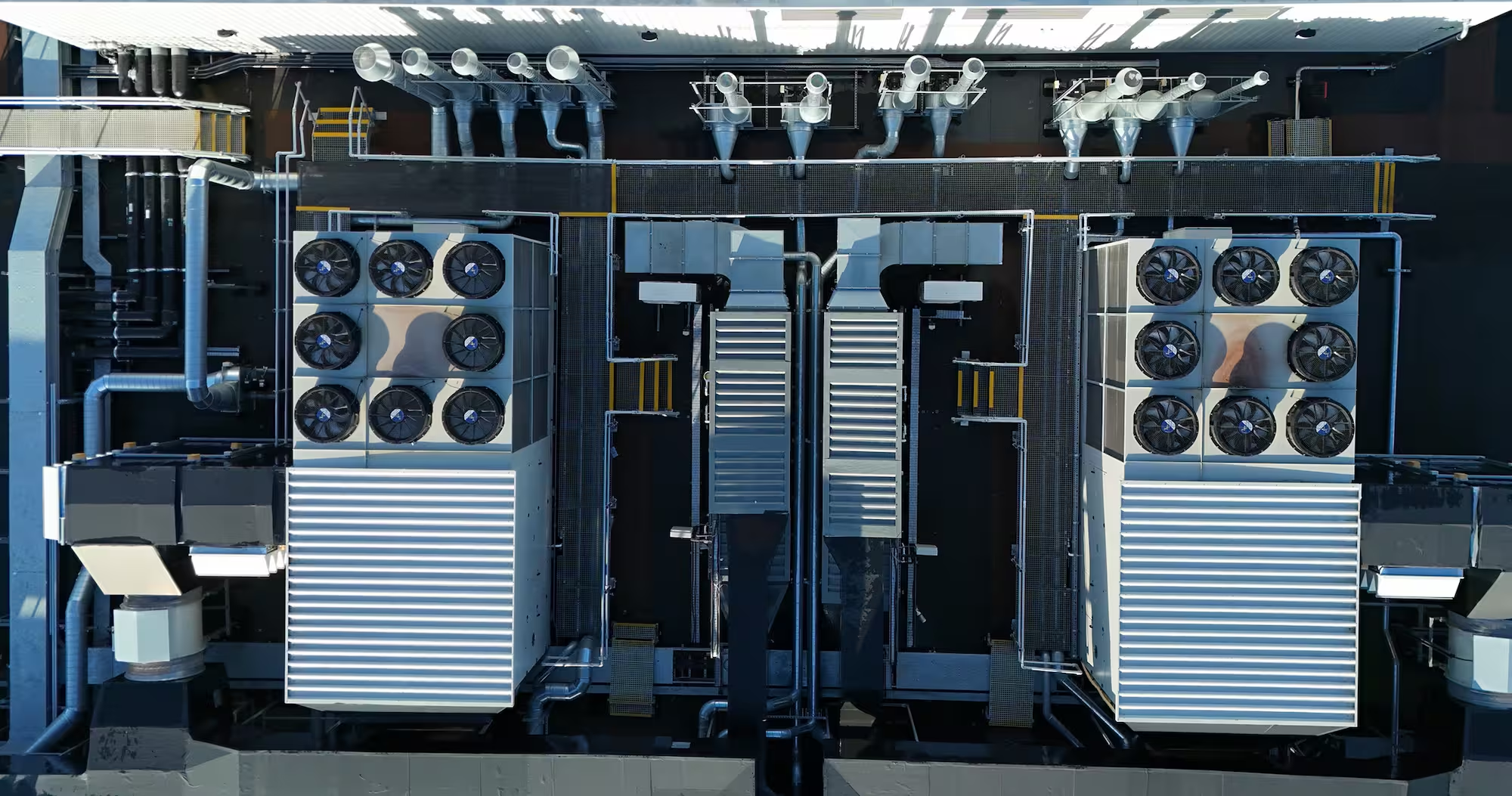
System Simulation

Analyze power and energy systems with thermodynamic and system-level simulation to improve efficiency, integration and operational performance

Energy conversion analysis
Thermal storage evaluation
Power cycle simulation
Operating strategy optimization
Request more information

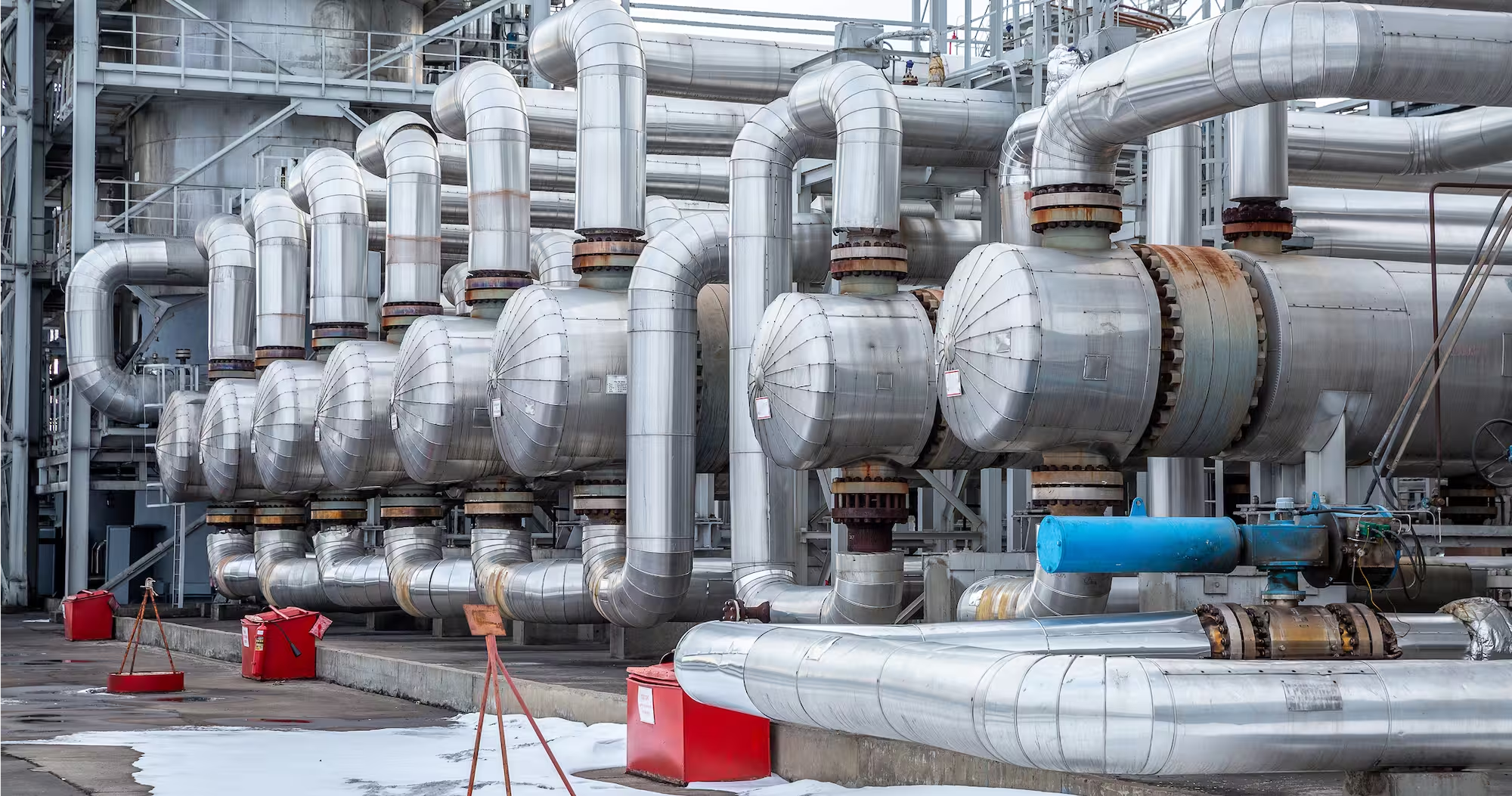
Process Optimization

Simulation-based analysis for industrial processes, heat and mass flows, operating points and system interactions that influence efficiency, stability and operating cost

Heat and mass flow optimization
Operating point evaluation
Consumables and cost reduction
Emissions-compliant operation
Request more information

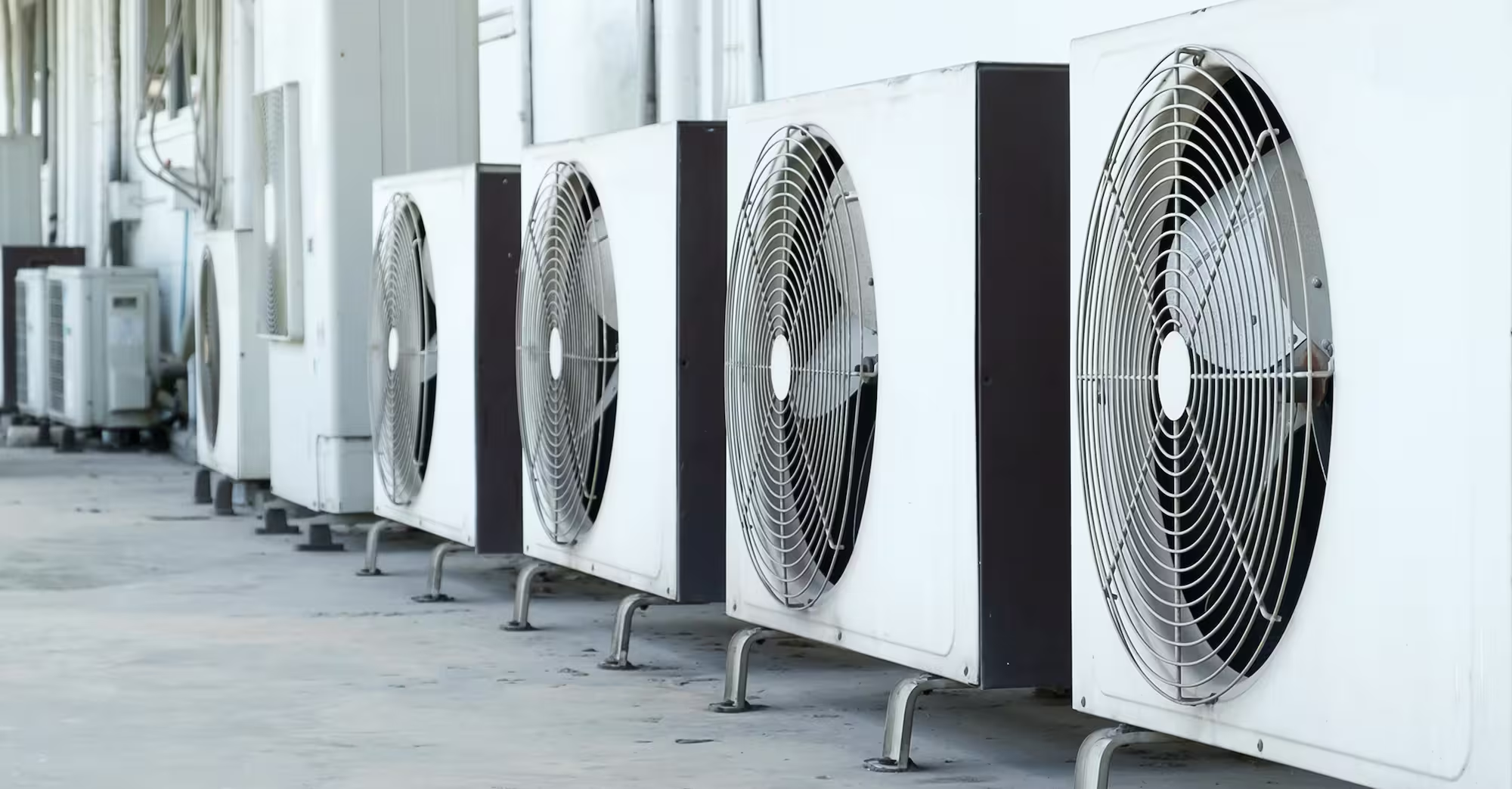
Heat Pump Simulation

Analyze heat pump systems with thermodynamic simulation models to evaluate operating behavior, efficiency, refrigerants and system integration

Heat pump system analysis
Source and sink evaluation
Refrigerant and media assessment
Efficiency and part-load behavior
Request more information

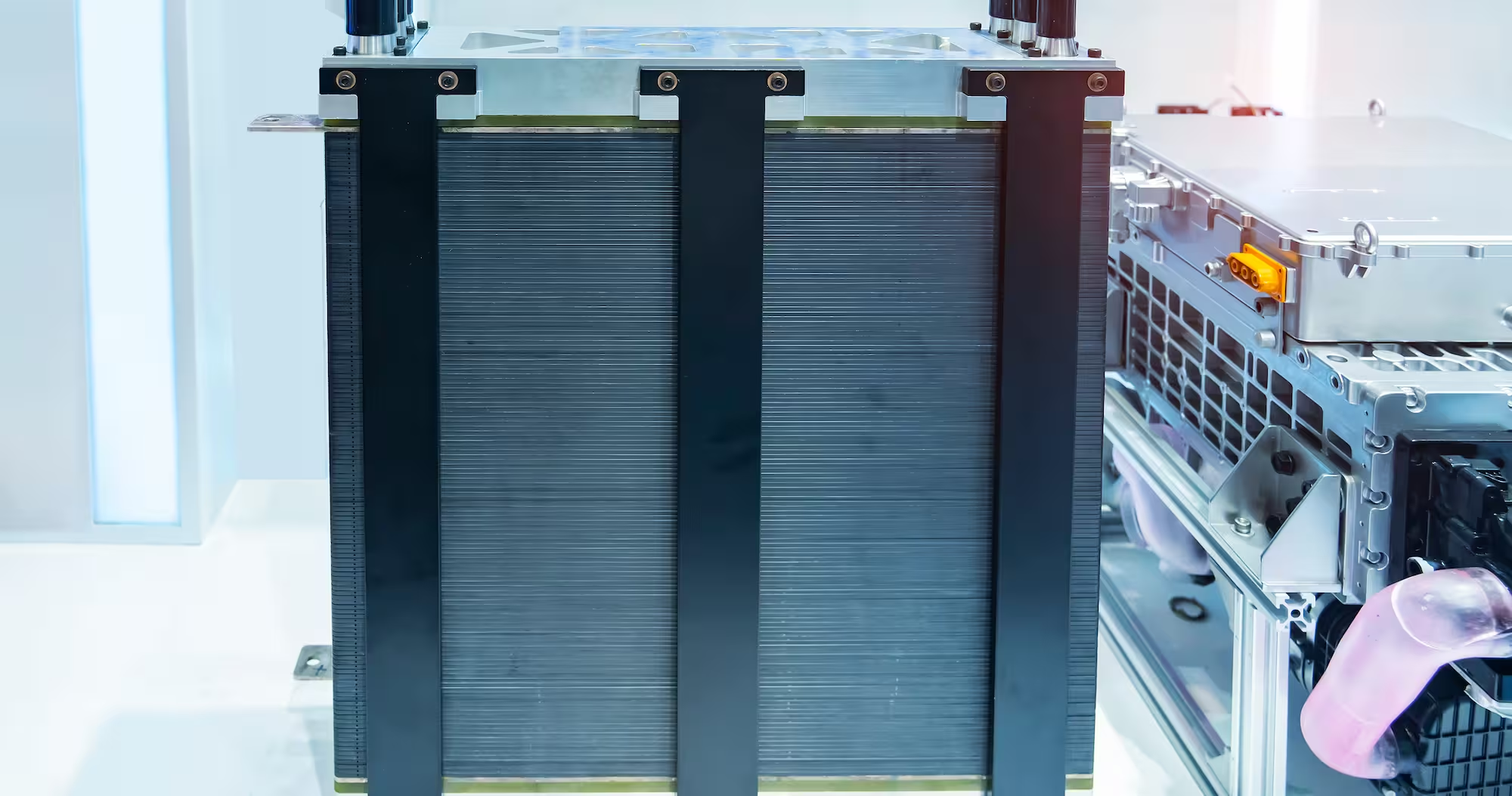
Fuel Cell and Electrolyzer Simulation

Simulate hydrogen and fuel cell systems to evaluate thermal behavior, operating strategies and system integration before implementation

Fuel cell thermal management
Hydrogen process simulation
Gas conditioning analysis
Operating strategy evaluation
Request more information

Thermal Management

Control and optimize thermal behavior with tailored heating, cooling and simulation-based analysis for efficient and reliable system performance

Cooling circuit analysis
Heat load evaluation
Temperature limit validation
Transient operating behavior
Request more information
Process

Ideas Need Energy

Challenge and Scope

We define the model-driving engineering question: what the simulation must answer, which decisions it should support and where the system boundaries are

Data and Boundaries

Available component data, media properties, measurement data and system boundaries are reviewed and structured

Model Concept

A suitable modeling approach is selected, from fast system models to detailed dynamic simulations

Model Development

Thermodynamic models are built for components, cycles or complete systems at the required level of detail

Simulation and Analysis

Operating profiles, variants, sensitivities and control strategies are simulated to identify performance drivers and risks

Validation and Results

Simulation results are checked against data where available and translated into practical engineering recommendations

Contact

Let's Talk About Your Project

Whether you are developing a new thermal system, optimizing an existing design or validating operating strategies, EUtech supports you with thermodynamic simulation expertise and practical engineering validation

Person with gray hair in a ponytail wearing a navy blue polo shirt with an EUtech logo on the chest.

Alexander Hlawenka

Manager Digital Solutions

I have read and accept the Privacy Policy

Thank you! Your submission has been received!
Oops! Something went wrong while submitting the form.
FAQ

Frequently Asked Questions

How can thermodynamic simulation support early-stage system design?

Thermodynamic simulation helps engineering teams compare system concepts, component sizes, working media and operating strategies before hardware decisions become fixed. This is especially useful when thermal behavior depends on changing loads, ambient conditions, pressure losses, heat transfer or part-load operation. EUtech uses physics-based models to make these interactions visible early and reduce design risk before physical testing or implementation.

Which thermal and energy systems can be modeled with EUtech’s thermodynamic simulation approach?

EUtech’s approach is suitable for thermal management systems, heat pumps, process heat systems, fuel cells, electrolyzers and combustion processes in power plants. Typical examples include cooling circuits, heat exchangers, compressors, pumps, valves, turbines, fans, thermal storage, hydrogen process systems and power cycles. The application cards also highlight batteries, power electronics, electric drives, compact energy systems, waste heat recovery and gas conditioning as relevant use cases.

How does simulation help when real test coverage is limited?

Physical testing often cannot cover every variant, load case, boundary condition or transient operating state. Thermodynamic simulation allows teams to investigate scenarios such as start-up, load changes, part-load behavior, thermal inertia, temperature limits and system boundaries in a virtual environment. Measurement data and test-bench correlation can then be used to validate the model and improve confidence in the results.

Can thermodynamic simulation be used to improve heat pump performance?

Yes. Heat pump simulation can be used to evaluate source and sink conditions, component matching, refrigerant or working-media behavior, part-load efficiency and system integration. This helps identify whether performance issues come from component sizing, control behavior, heat exchanger performance, operating limits or interaction with the wider energy system.

How does thermodynamic simulation support fuel cell and electrolyzer projects?

For fuel cell and electrolyzer systems, thermodynamic simulation helps evaluate thermal behavior, hydrogen processes, gas conditioning, cooling requirements and operating strategies before implementation. This is important because temperature control, media flows, pressure levels and balance-of-plant interactions can strongly affect efficiency, stability and system lifetime.

What makes a thermodynamic simulation model useful for engineering decisions?

A useful model is not only mathematically correct; it must reflect the real system, relevant operating conditions and available measurement data. EUtech combines component models, system-level analysis, dynamic behavior simulation and validation against test-bench or operational data. This makes the model practical for concept comparison, control strategy validation, troubleshooting, optimization and future system variants.

learn more

Thermodynamic Simulation for Energy Systems

Thermodynamic simulation helps engineering teams understand how thermal and energy systems behave before design choices, operating strategies or hardware investments become difficult to change. EUtech develops physics-based models for components, working media and operating conditions to evaluate performance, integration limits and dynamic behavior under realistic scenarios.The approach is relevant for teams developing new thermal systems, optimizing existing energy processes or validating operating strategies where measurements alone cannot cover every variant, load case or boundary condition.

Table of Contents

Typical Applications and Use Cases

  • Thermal management for batteries, fuel cells, power electronics, electric drives and compact energy systems
  • Heat pump simulation including source/sink evaluation, component matching and part-load behavior
  • Process optimization for heat and mass balances, waste heat recovery and heat exchanger analysis
  • Fuel cell and electrolyzer simulation for hydrogen processes, gas conditioning and operating strategies
  • System simulation for energy conversion, thermal storage, power cycles and plant operation

How Companies Benefit

By using thermodynamic simulation early in development, companies can compare system concepts, identify losses and validate operating limits before physical testing becomes costly. This supports better architecture decisions, more reliable component sizing and clearer understanding of interactions between heat transfer, pressure loss, control behavior and system integration.

Validated models also improve communication between simulation, testing, control development and plant engineering teams. Measurement data and test-bench correlation help turn model results into practical engineering evidence for reproducible decisions, stable operation and future system variants.

Thermodynamic simulation is especially useful for energy, utilities, automotive, mobility and process-related applications where thermal behavior, efficiency, working media, component interaction and operating strategy must be assessed together across realistic load cases and boundary conditions.

Discuss your application with EUtech to identify the right simulation, validation and engineering approach.

Table of Contents