virtual. practical. reliable.

Simulation and Control for Validated Engineering Decisions

EUtech develops model-based simulation and control solutions for machines, test benches and industrial processes, helping engineering teams validate behavior, optimize controls and reduce commissioning risk before real-world implementation.

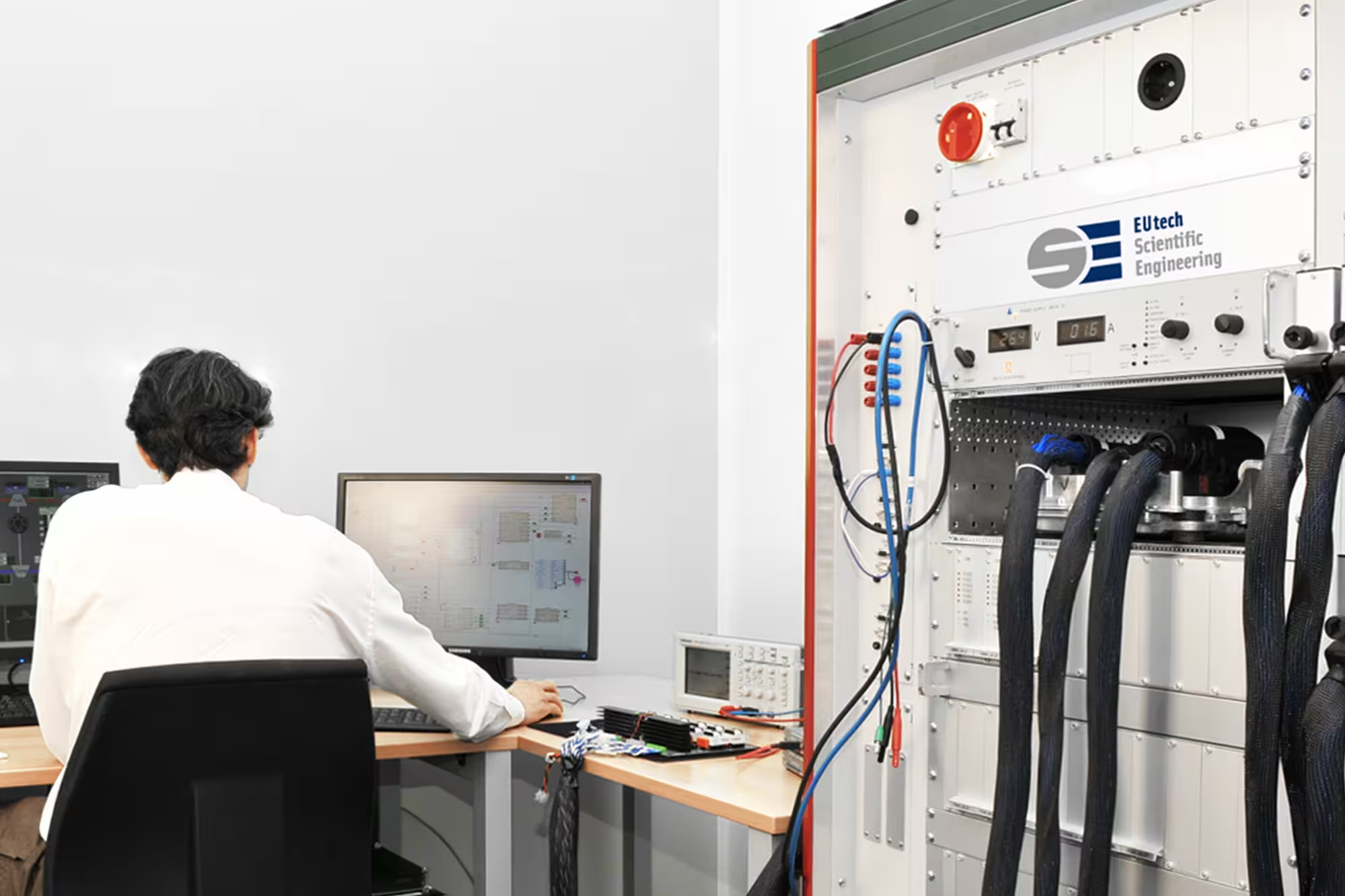
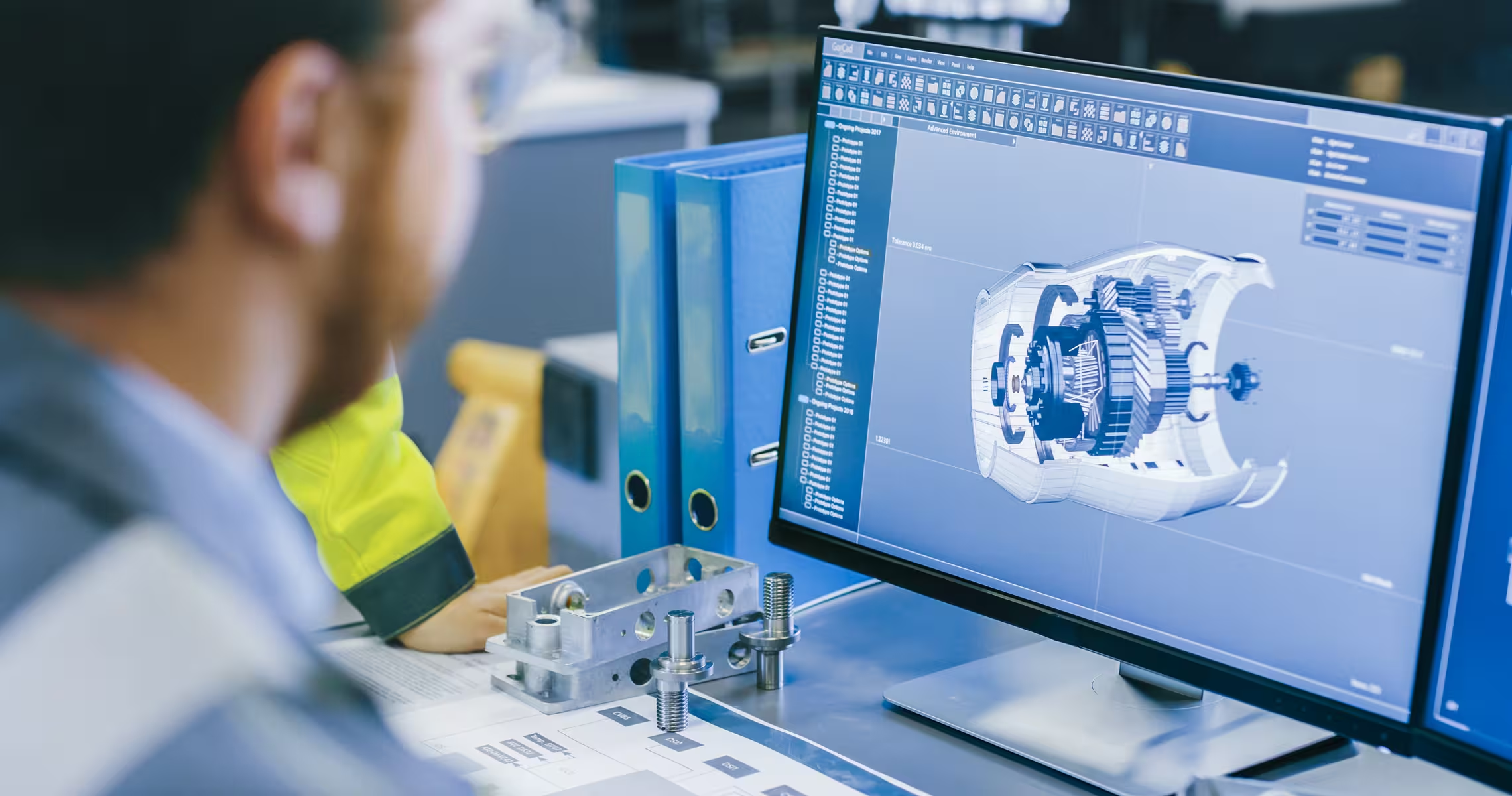
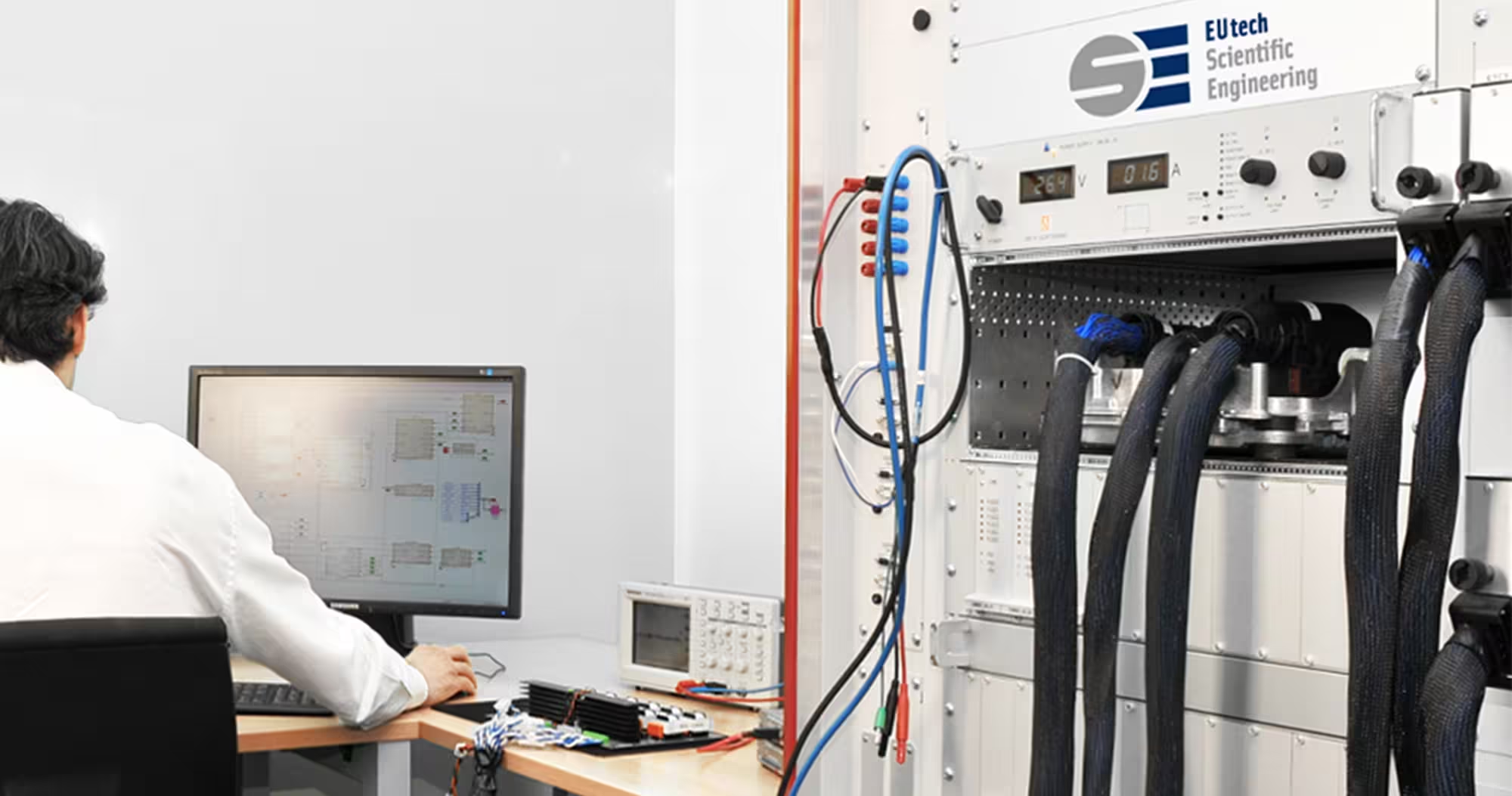
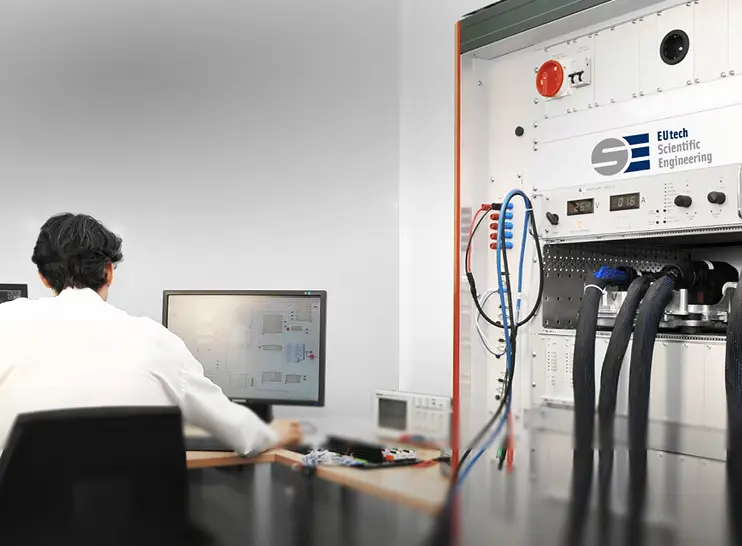
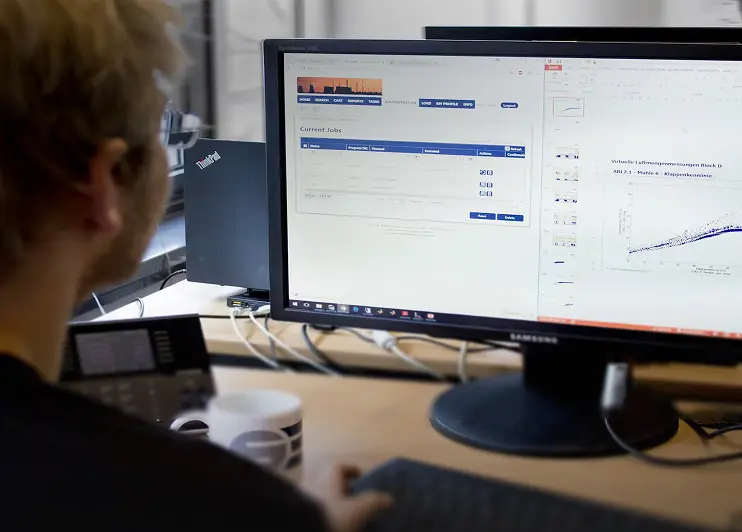
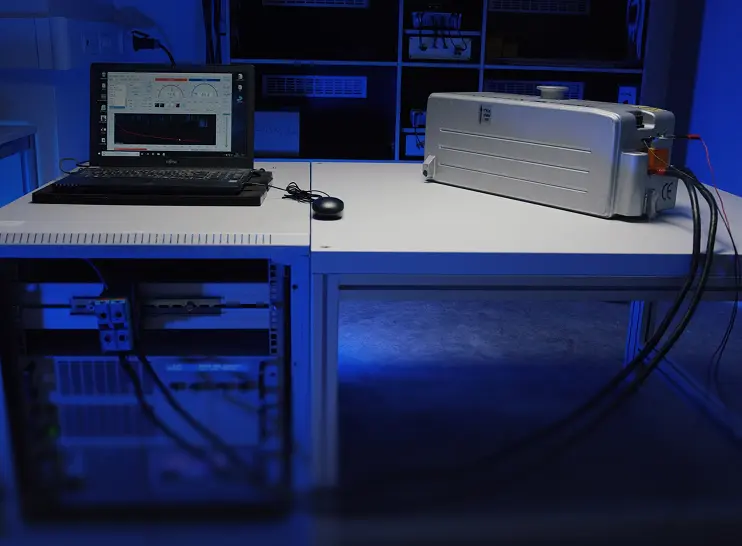
Engineer performing hardware-in-the-loop (HiL) testing at a computer connected to scientific engineering equipment.
solution

Simulation-Based Engineering

We help engineering teams design, validate and optimize control strategies using dynamic models and real-time simulation know-how for complex machines, test benches and industrial processes

Key Challenges

Late control issues delay commissioning and increase correction costs

Unclear system behavior makes interactions hard to predict

Unstable operation affects quality, output and energy use

Risky test scenarios cannot be checked on real systems

Missing hardware delays control testing and validation

Our Solution

Virtual validation checks control behavior before implementation

Simulation models show how systems interact and respond

Optimized control strategies improve stability and reduce variation

Model-in-the-Loop (MiL) and Hardware-in-the-Loop (HiL) test controls safely and reproducibly

Early validation shortens commissioning loops and hardware dependency

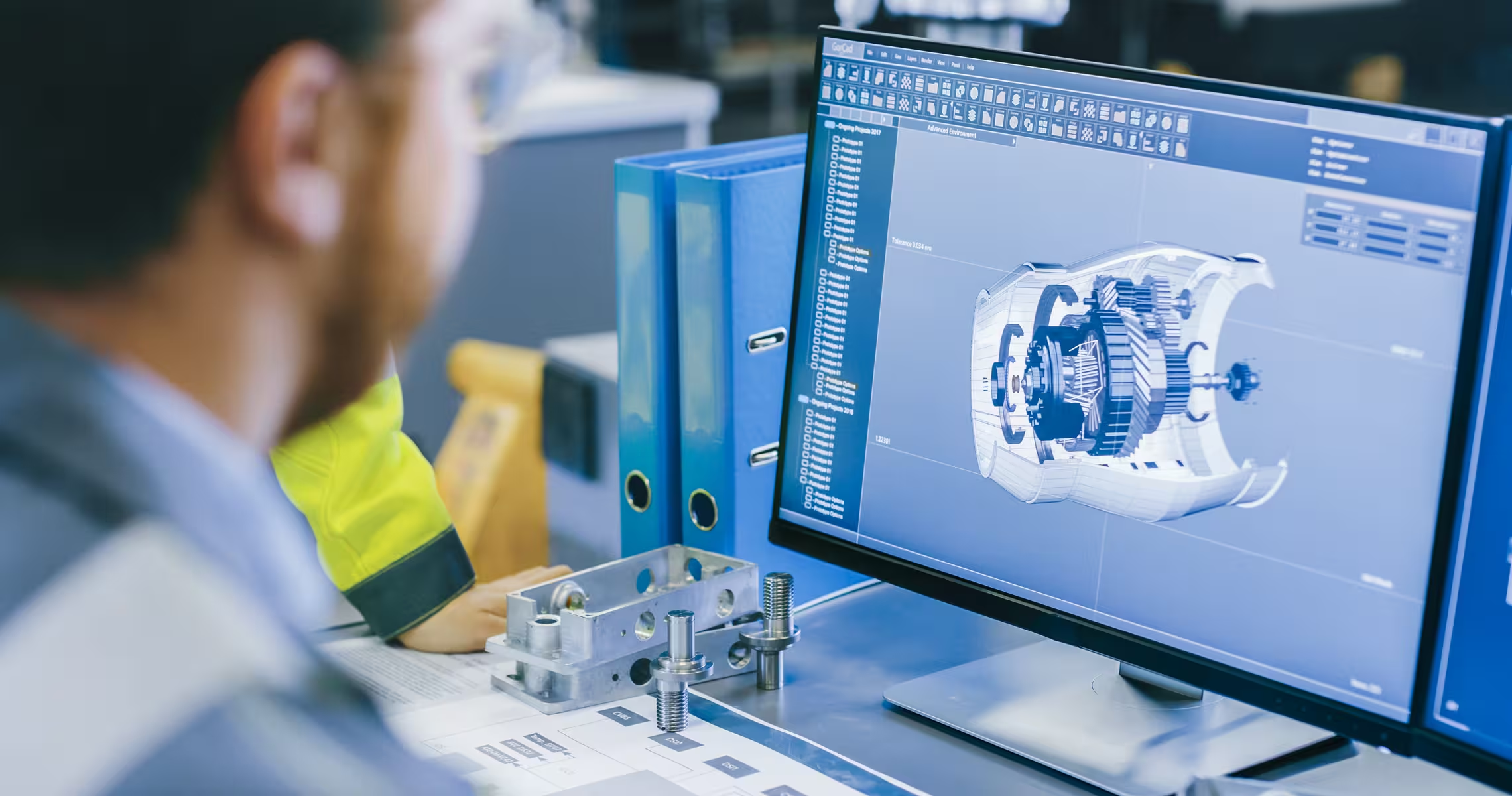
Two engineers examining a mechanical part model displayed on a computer screen in an industrial workspace.
Contact
25+ Years of Experience
Model-based Engineering
Advanced Control Know-how
competencies

Simulation and Control Engineering

Simulation for Control

Combining physical modeling, system identification and data-based modeling to create control-relevant models for testing controller interactions

Advanced Control Design

Developing control strategies for improved stability, reduced variability and reliable process operation

Model-in-the-Loop Testing

Testing control logic against simulated systems before real hardware is available or safe to use

Hardware-in-the-Loop Validation

Connecting real controllers with real-time simulations for reproducible validation under laboratory conditions

Observer and Virtual Sensors

Estimating hard-to-measure process states using models, measurement data and control engineering know-how

From process models to stable operation, supporting reliable control implementation.

Contact
benefits

Turning Simulation into Reliable Control

Reduced Risk

Validate control behavior before changes reach the real machine, test bench or process

Fast Development

Move testing earlier with simulation models, repeatable scenarios and real-time validation

Stable Operation

Reduce fluctuations and improve control quality across changing operating conditions

Safe Validation

Test faults, disturbances and limit cases without risking equipment, operators or production

Applications

Proven Simulation and Control Solutions

Simulation and Control focuses on model-based analysis, controller development, control optimization, MiL/HiL testing, real-time simulation, virtual sensors and process stabilization

Model-Based Engineering

Use simulation models, control logic and validation workflows to understand system behavior earlier and support reliable engineering decisions

Dynamic system and process models
Control logic validation
MiL and HiL workflows
Model-based analysis and optimization
Request more information

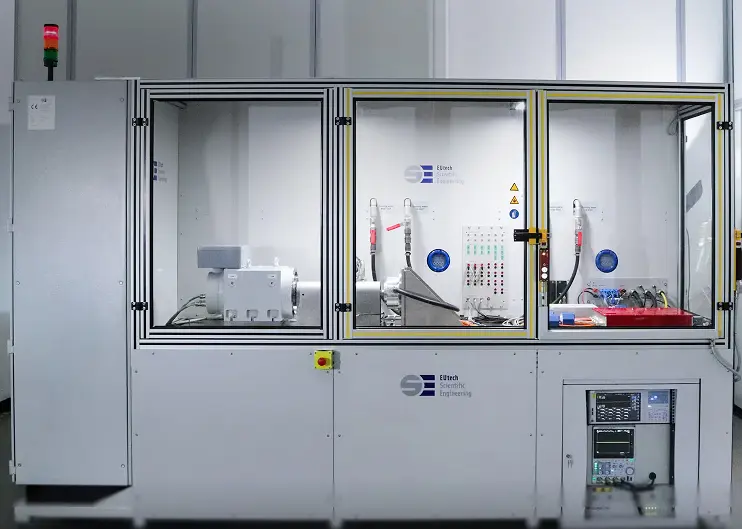
Hardware-in-the-Loop Validation

Validate real control hardware with real-time simulation models to test faults, disturbances and limit cases safely and reproducibly

Real controllers connected to simulation models
Reproducible tests under laboratory conditions
Faults, disturbances and limit cases
Support for safer control validation
Request more information

Virtual Sensors and Sensor Fusion

Derive additional process and condition information from existing measurements, models and system data where direct sensing is limited or impractical

Derived values from measurements and system data
Virtual sensing for process and condition monitoring
Model-based support for indirect measurement tasks
Use of operational and simulation data
Request more information

Test Automation and Control Systems

Design and implement automated test and control systems for reproducible, safe and efficient test bench operation

Automated test sequences, operating procedures and validation workflows
Integration of sensors, actuators, measurement systems and interfaces
Reproducible test execution with structured data acquisition and logging
Safe and stable operation of test benches
Request more information
Process

Ideas Need Energy

Requirements and Scope

Together, we clarify the control task, system boundaries, operating conditions and validation goals

Model Development

We analyze the relevant process, machine or test bench behavior and identify key influencing factors

Control Concept Design

A suitable simulation model and control concept are defined based on the technical requirements

Simulation and Testing

Control behavior, system responses and critical scenarios are tested in a virtual environment

Real-Time Validation

Where required, real-time simulation or Hardware-in-the-Loop testing is used for reproducible validation

Optimization and Support

Parameters, performance and implementation details are refined until the solution supports reliable operation

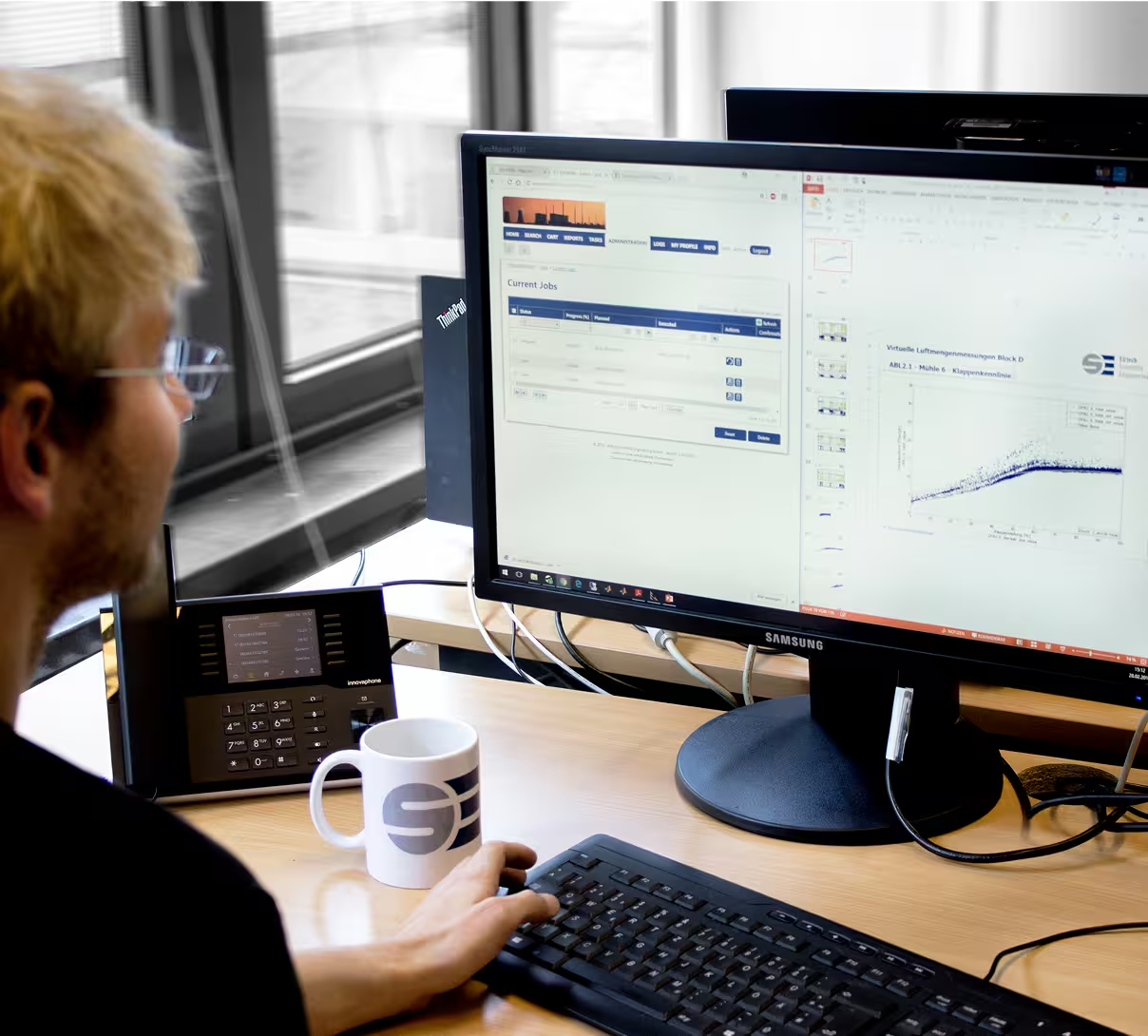
Person managing technical data on a dual-screen workstation with graphs and data visualizations.
Contact

Let's Talk About Your Project

Whether you need better process stability, earlier control validation or reliable simulation models, EUtech supports you with practical engineering expertise from first analysis to implementation support

Person with gray hair in a ponytail wearing a navy blue polo shirt with an EUtech logo on the chest.

Alexander Hlawenka

Manager Digital Solutions

I have read and accept the Privacy Policy

Thank you! Your submission has been received!
Oops! Something went wrong while submitting the form.
FAQ

Frequently Asked Questions

How can Simulation and Control help us validate control strategies before commissioning?

Simulation and Control allows control strategies to be tested against dynamic system models before they are applied to the real machine, test bench or process. This helps engineering teams identify unstable behavior, incorrect logic, interaction effects and limit-case issues earlier, reducing the risk of late corrections during commissioning.

What types of systems can be tested with Hardware-in-the-Loop validation?

Hardware-in-the-Loop validation is suitable for systems where real controller hardware needs to be tested against a simulated machine, plant, process or test bench environment. Typical use cases include embedded controllers, PLC-based systems, industrial control units, energy systems, automated test benches and safety-critical operating scenarios.

When does Model-in-the-Loop or Hardware-in-the-Loop testing make sense for our project?

MiL is useful when control logic, system behavior or operating strategies should be evaluated early with simulation models. HiL becomes relevant when the real controller hardware, interfaces and I/O behavior must be validated under reproducible real-time conditions before connecting to the final system.

How can automated test and control systems improve test bench operation?

Automated test and control systems make test execution more repeatable, structured and traceable. They help standardize operating procedures, integrate sensors and actuators, control test sequences, collect measurement data and reduce manual intervention during complex or long-running validation tasks.

What role do virtual sensors and sensor fusion play in industrial processes?

Virtual sensors and sensor fusion help estimate process values or system states that are difficult, expensive or impractical to measure directly. By combining measurement data, models and operational information, they can support condition monitoring, process control, diagnostics and more informed engineering decisions.

How does simulation-based control engineering reduce project risk?

Simulation-based control engineering makes critical scenarios testable before they affect real equipment, operators or production. Faults, disturbances, operating limits and controller changes can be evaluated safely and reproducibly, helping teams improve control quality, reduce commissioning loops and increase confidence in system behavior.

learn more

Simulation and Control for Reliable Validation and Stable Operation

Simulation and Control helps engineering teams validate control behavior, system dynamics and test procedures before changes reach the real machine, test bench or industrial process. EUtech combines dynamic models, control engineering and real-time validation methods to support safer decisions, shorter commissioning loops and more reproducible development workflows.

Table of Contents

Typical Applications and Use Cases

  • Hardware-in-the-Loop validation with real controller hardware, real-time simulation models, faults, disturbances and limit cases
  • Model-Based Engineering using dynamic system models, control logic validation, MiL workflows and model-based optimization
  • Test automation and control systems for automated sequences, operating procedures, measurement integration and structured logging
  • Virtual sensors and sensor fusion for derived process values, condition monitoring and indirect measurement tasks

How Companies Benefit

By moving validation into a controlled simulation environment, companies can test critical scenarios earlier and reduce dependency on available hardware. Control behavior becomes easier to compare, document and reproduce across development, commissioning and optimization phases.

The result is more stable operation, lower technical risk and clearer engineering decisions.
Teams can improve controller quality, reduce variation in machines and processes, and integrate validation workflows more easily into existing test bench, automation and measurement environments.

Simulation and Control is especially relevant for control engineering, test bench development, automation and R&D teams working with machines, industrial processes, energy systems or complex measurement tasks where direct testing is risky, limited or difficult to reproduce.

Discuss your application with EUtech to identify the right technical approach for your simulation, control or validation challenge.

Table of Contents