
Measure. Control. Optimize.

Combustion Diagnostics and Optimization for
Power Plants

Physically based diagnostic systems and methods for analyzing fuel, air, and temperature distribution - helping operators make better decisions for stable combustion, lower emissions, and improved plant performance

Free Webinar

Find out how to optimize your power plant’s operation

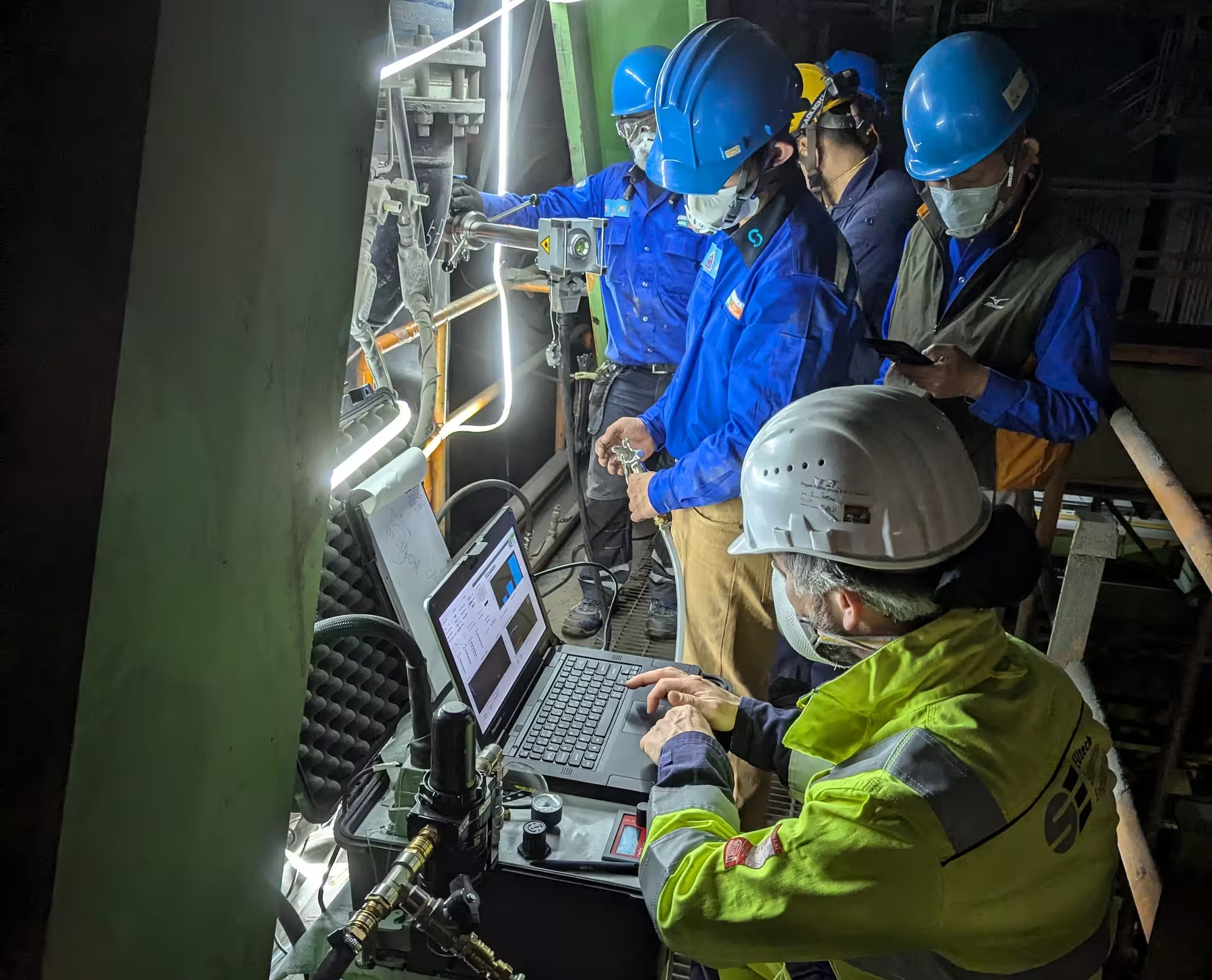
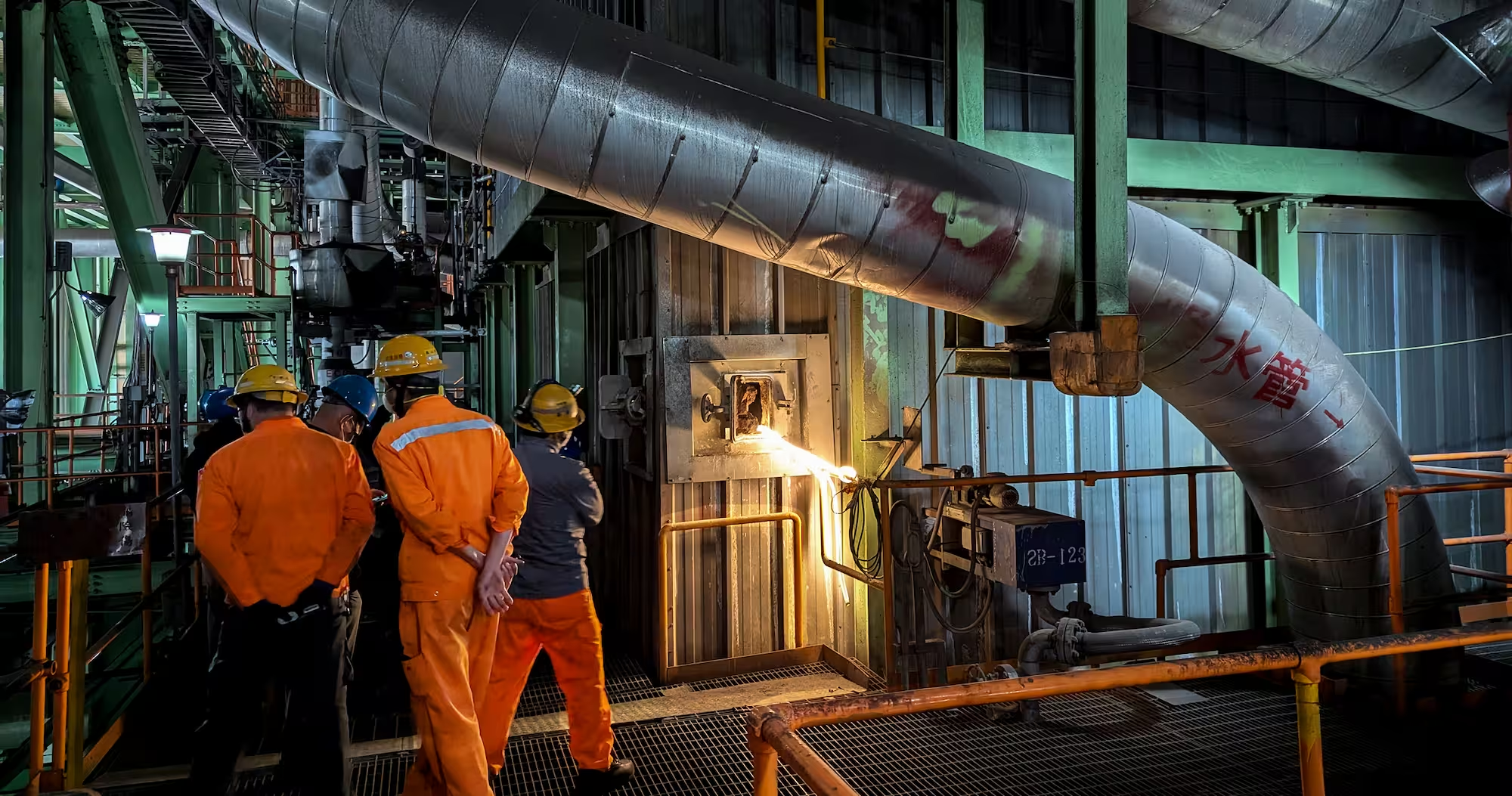
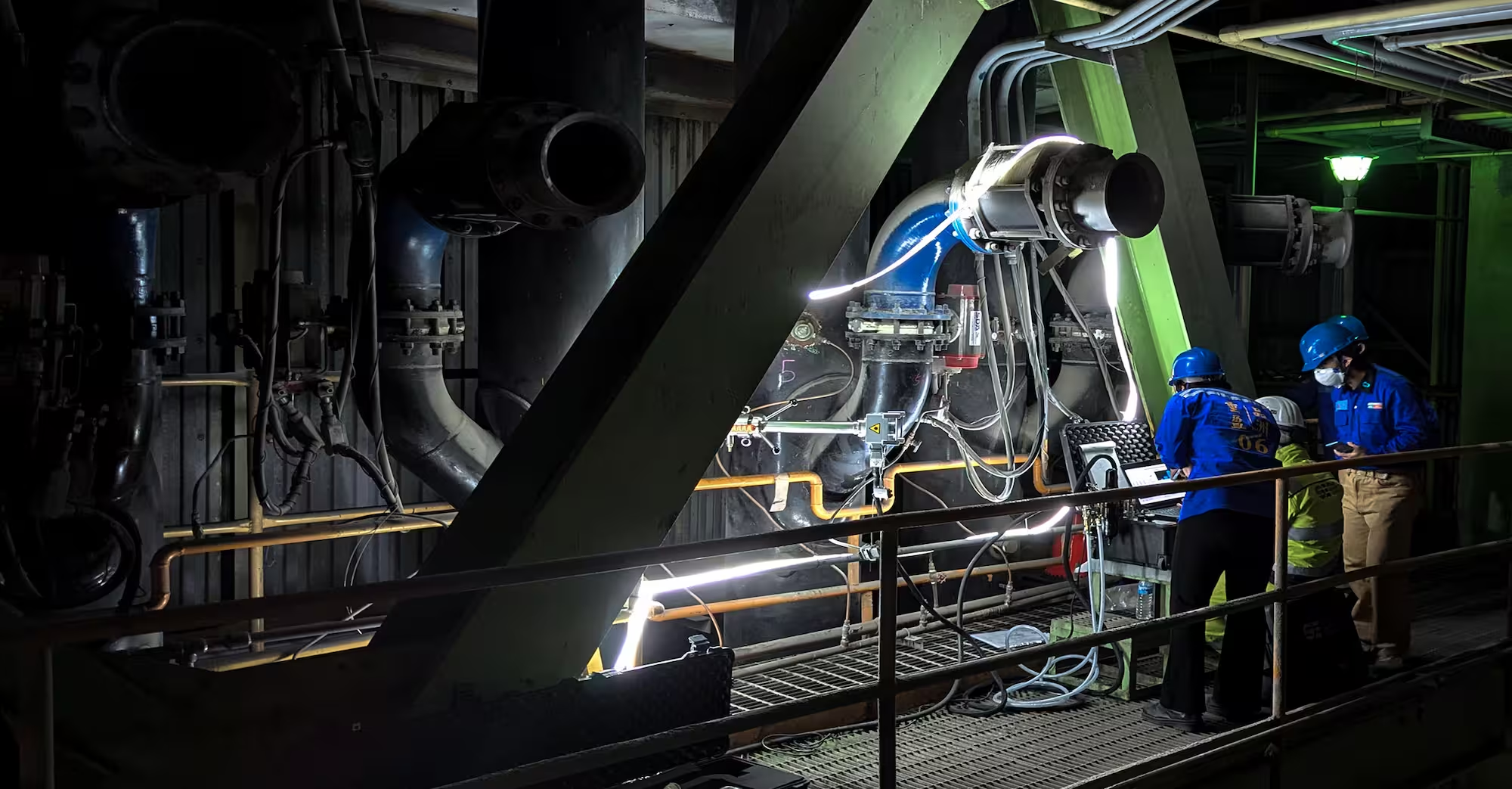
Workers in helmets and masks operating a laptop and diagnostic equipment in an powerplant.
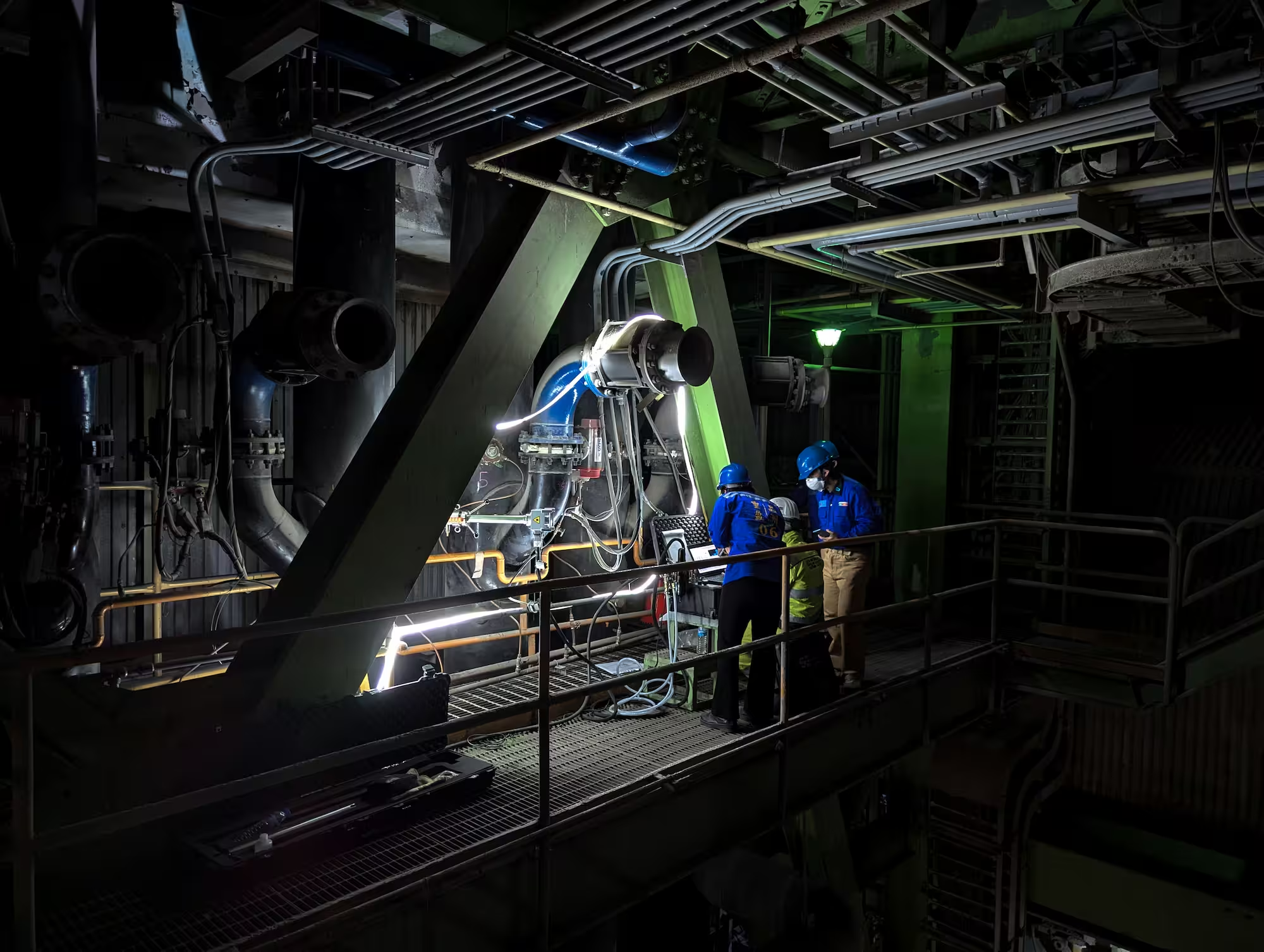
Four workers commissioning the EUcloasizer diagnostic measurement system on an industrial platform
Solution

Measure. Control. Optimize.

We provide physically based diagnostic methods, tools, and software for analysing fuel, air, and temperature distribution in combustion-based power plants

Combustion Challenges

Missing or unreliable measurements hide critical combustion imbalances

Increasingly tight emission limits reduce tolerance for combustion instability

Limited process visibility slows root-cause analysis and corrective action

Slagging and fouling reduce heat transfer and increase cleaning effort

Changing fuels and load profiles increase combustion variability

Our Solution

Physically based diagnostic methods for fuel, air, and temperature distribution

Modular diagnostic tools for stationary or mobile deployment, with manual or automated operation

Monitoring software for combustion process visualization, evaluation, and diagnostics

Virtual instrumentation for airflow and other hard-to-measure process variables

Control concepts and optimization strategies based on plant measurements and DCS data

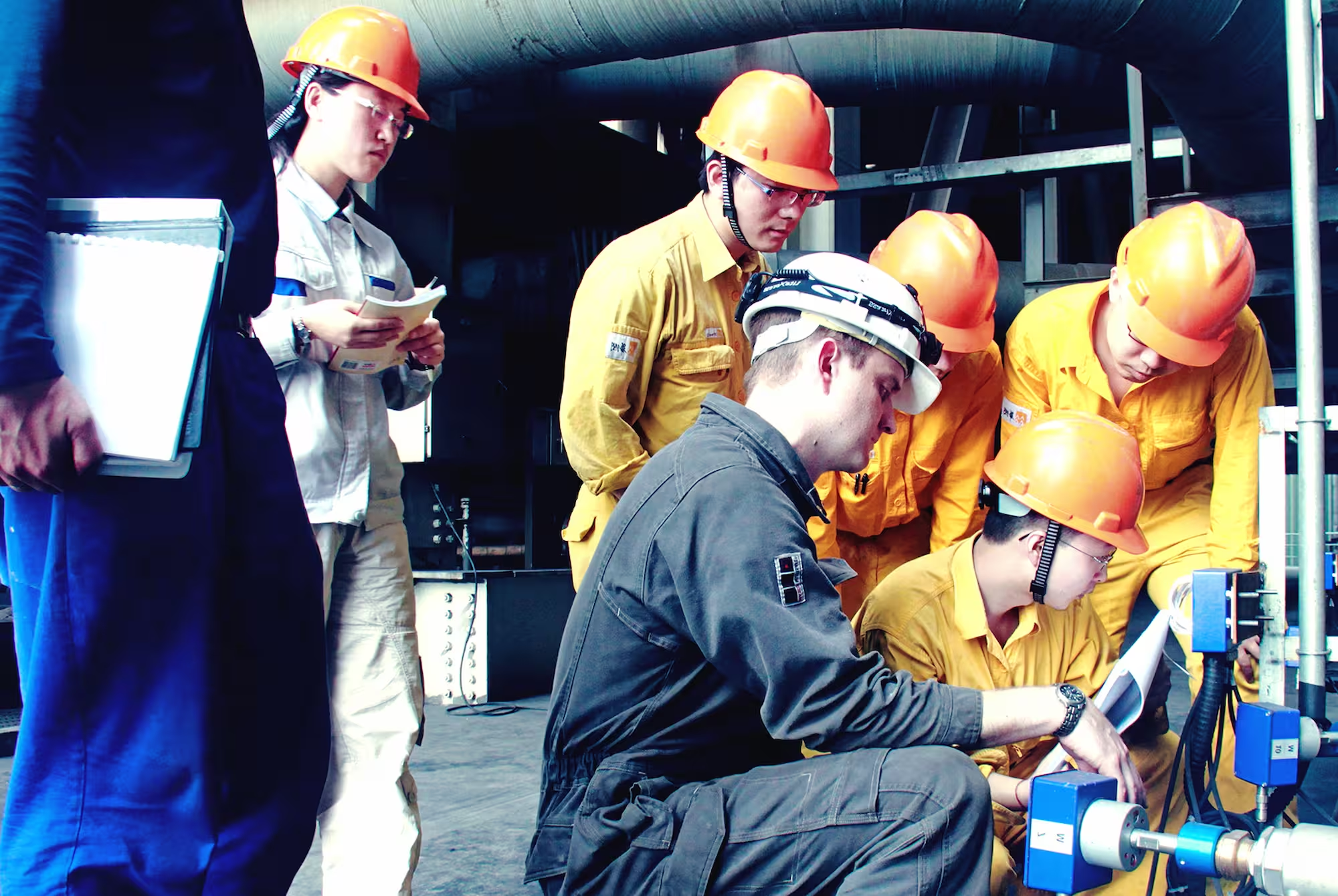
Group of engineers in safety helmets inspecting industrial pipe equipment during a worksite briefing.
Contact
Patented Systems
1.200+ Installations Worldwide
Over 25 Years of Experience
Competencies

We Control Combustion

Combustion and Thermodynamics

Deep expertise in combustion, heat transfer, emissions control and furnace behavior across thermal power, biomass and waste-to-energy applications

Measurement and Diagnostic

Expertise in fuel flow, particle size distribution, multi-dimensional temperature profiling, boiler condition monitoring, furnace and flame analysis

Plant Data and Virtual Sensors

Transforming validated plant data into virtualmeasurements and actionable process insight for variables that are difficult orimpractical to measure directly

Controls and DCS Integration

Integration of diagnostics, monitoring and control functions into existing plant and DCS environments

Plant-Specific Engineering

Solutions tailored to plant design, fuel properties, operating constraints, and day-to-day operating practice

From diagnostic insight to clean combustion, without major capex.

Contact
benefits

Clean Combustion

Operational Confidence

Real-time understanding of combustion and thermal processes for faster, more confident operating decisions

Improved Plant Availability

Early identification of combustion issues helpsminimize thermal stress, reduce unplanned outages and improve plantavailability

Emissions Compliance

Better process understanding supports stable operation and reliable compliance with emission limits

Low Lifecycle Effort

Modular solutions with limited installation effort, low maintenance requirements and minimal impact on plant operation

Applications

Proven Combustion Diagnostics

EUtech applies diagnostic tools, monitoring systems, and combustion expertise to plant-specific challenges in fossil-fired power plants, waste-to-energy plants, biomass plants, and HRSG applications

Flame and Furnace Monitoring

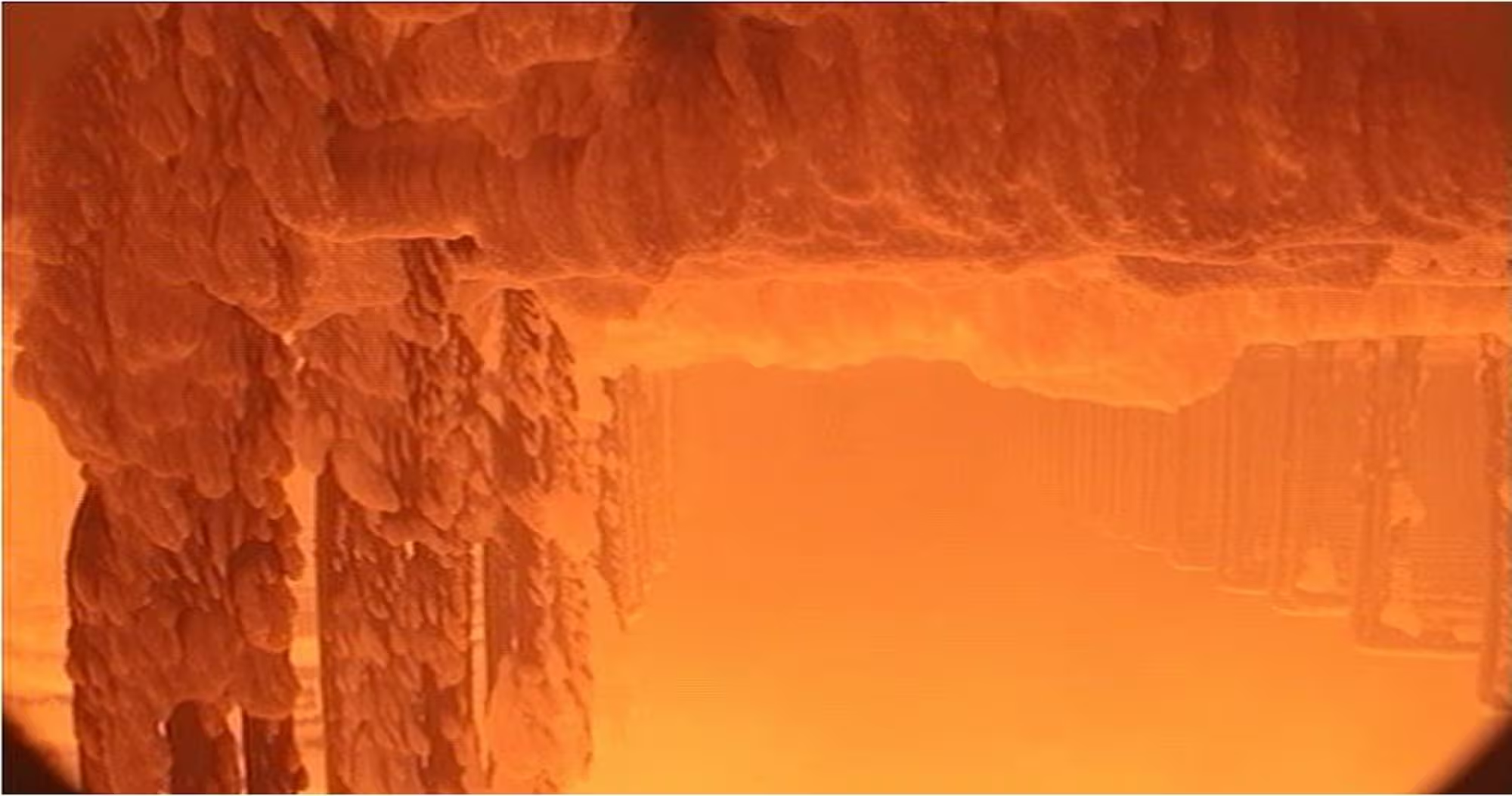
Visual monitoring of furnace conditions and flame behavior - making critical combustion zones, flame position, burn-out, and deposit formation visible for faster diagnosis and corrective action

Continuous monitoring of flame and furnace conditions
Early visibility of deposits, damage, and irregularities
Basis for flame positioning and burn-out analysis
Stationary or mobile use for targeted furnace inspection
Request more information

Virtual Airflow Measurement

Physics-based virtual airflow measurement using existing plant signals - providing reliable airflow data where conventional measurement is costly, unreliable, or impractical across the full air path

Absolute airflow values from existing measurements
Virtual airflow data across the full air path
Early detection of sensor faults and air leakages
No additional hardware and seamless DCS integration
Request more information

Particle Size Distribution

Online particle size distribution analysis for pulverized fuel systems - providing the data needed to assess fuel fineness, tune fuel lines, and improve combustion quality

Continuous particle size distribution measurement
Real-time visibility of fuel fineness in the pipe
Mill adjustment and fuel line balancing
Supports burner tuning and combustion optimization
Request more information

Fuel Flow Measurement

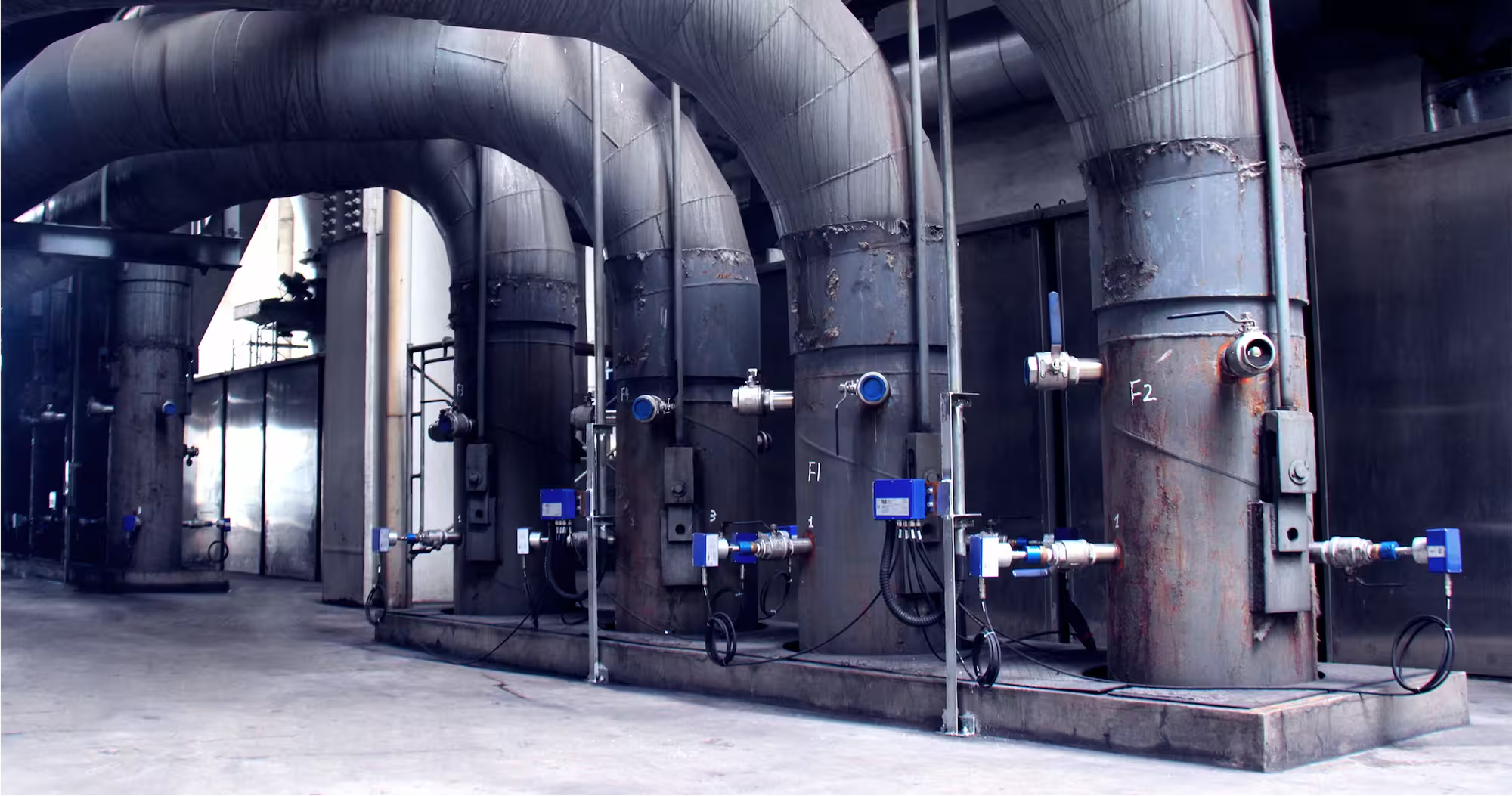
Online fuel flow measurement for pulverized fuel systems, making pipe-to-pipe mass flow and velocity imbalances visible for better burner balance, air-fuel control, and combustion performance

Continuous mass flow measurement in each fuel pipe
Continuous fuel velocity measurement in each fuel pipe
Clear visibility of pipe-to-pipe fuel imbalances
Basis for burner balancing and air-fuel-ratio control
Request more information

Flame Temperature Monitoring

Online temperature profiling for fossil-fired boilers, waste-to-energy plants, and HRSG systems, making critical temperature distributions visible for combustion control, emissions performance, and asset protection

Real-time temperature profiles at critical process zones
Basis for SNCR, DeNOx, and combustion control
Detection of hot spots, imbalance, and thermal stress
Stationary or mobile use for permanent monitoring or targeted analysis
Request more information
Process

Ideas need Energy

Plant Assessment

Review of plant objectives, operating constraints, fuel characteristics, and current combustion challenges to define priorities and scope

Data and Signal Review

Assessment of available process data, instrumentation, and DCS signals to identify relevant inputs and visibility gaps

Diagnostic Setup

Configuration of plant-specific diagnostics, monitoring logic, and calculation models around the combustion process

Combustion Analysis

Evaluation of combustion behavior, operating patterns, and process deviations to identify likely technical causes

Optimization and Implementation

Definition and implementation of targeted optimization measures, monitoring functions, and control actions in the plant DCS

Validation and Tuning

Validation under plant conditions, followed by tuning and adjustment to support stable and lasting operational improvement

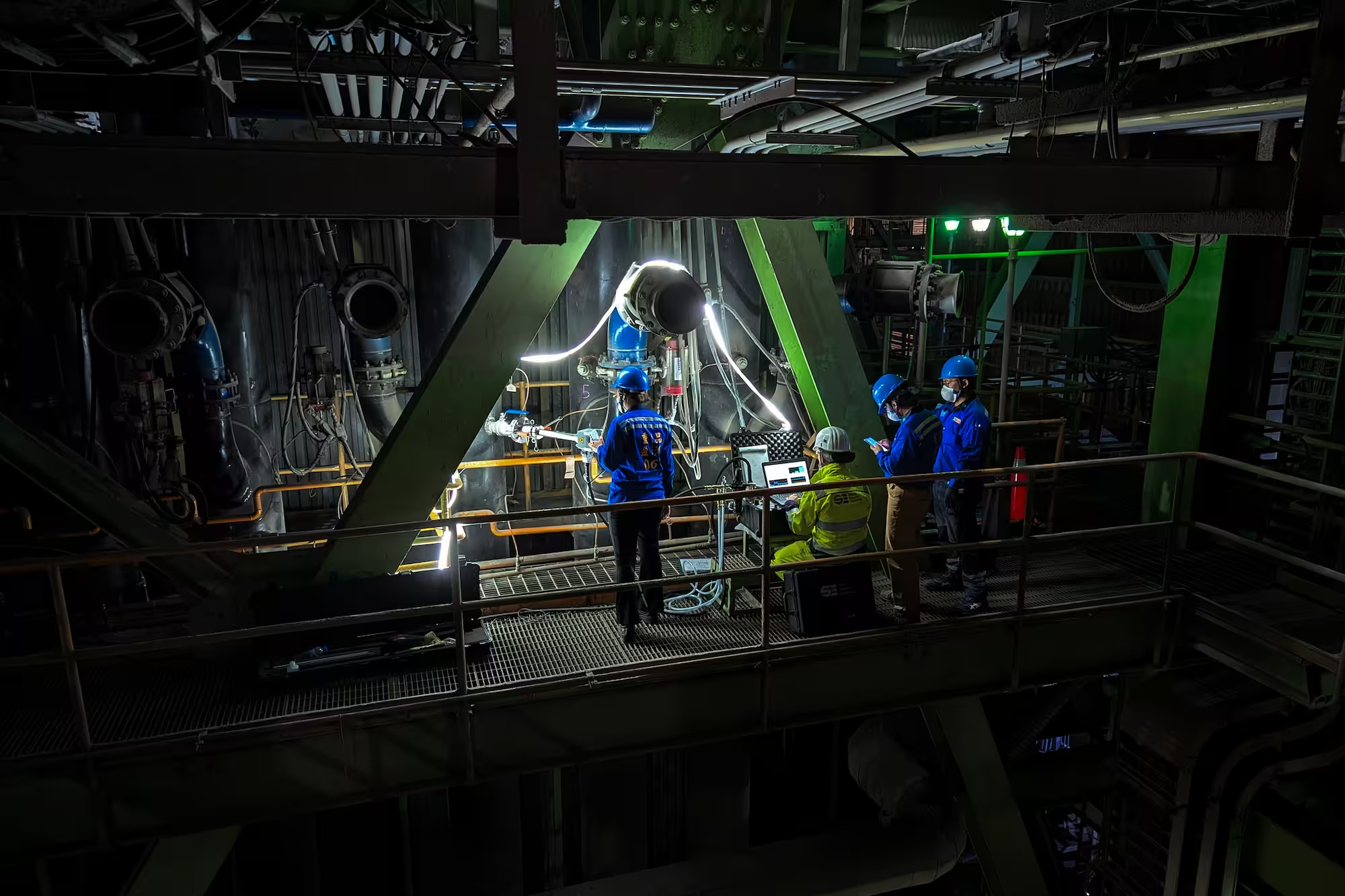
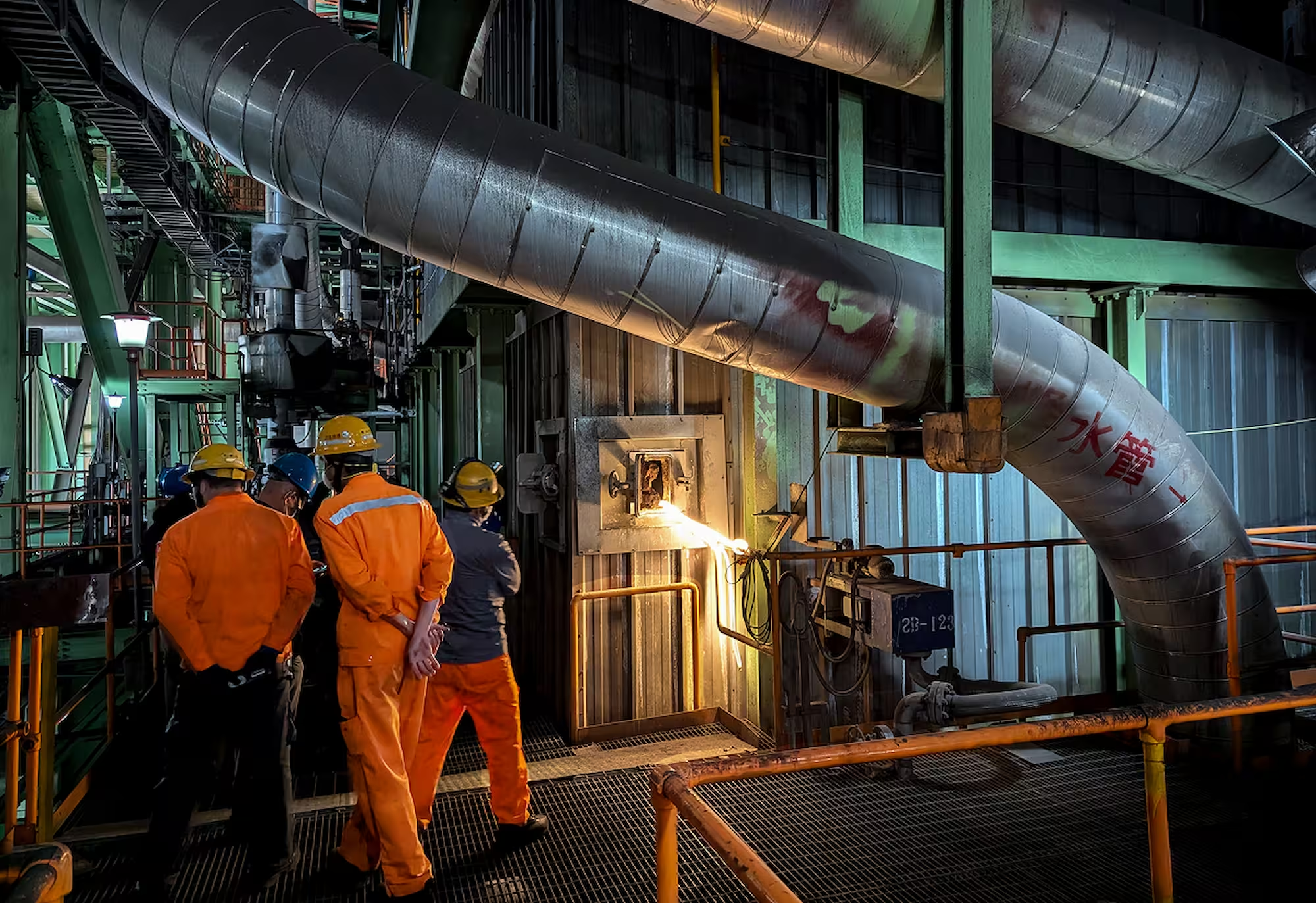
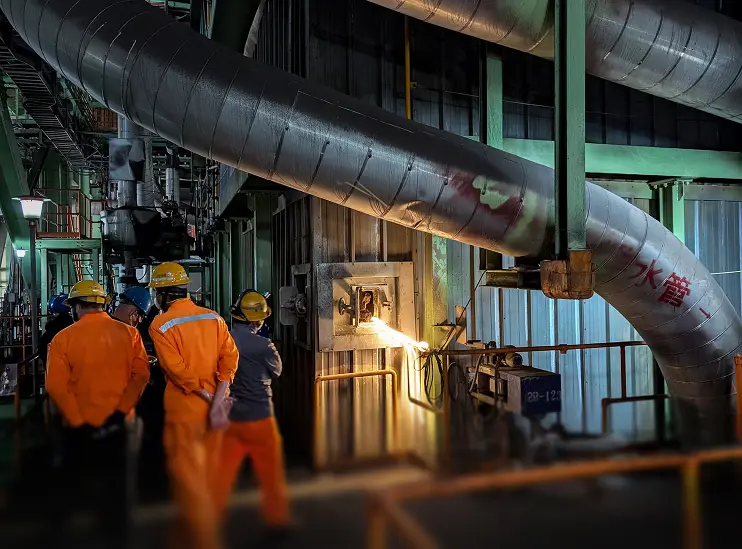
Workers in safety gear monitor a combustion process emitting flames inside an industrial facility at night.
Contact

Let's Talk About Your Combustion Challenges

Whether you want to reduce emissions, improve boiler efficiency, address slagging and fouling, or lower combustion-related risk, EUtech helps define a practical path for fossil-fired, biomass, waste-to-energy, and HRSG plants based on real operating conditions

Man with gray hair and beard wearing glasses and a blue polo shirt with a white EUtech logo.

Dr. Francesco Turoni

Manager Power Solutions

I have read and accept the Privacy Policy

Thank you! Your submission has been received!
Oops! Something went wrong while submitting the form.
FAQ

Frequently Asked Questions

How can combustion diagnostics help us reduce emissions without major plant modifications?

Combustion diagnostics make critical imbalances in fuel, air, temperature, and furnace conditions visible before they lead to unstable operation or higher emissions. By using measured plant data, virtual sensing, temperature profiling, and monitoring software, operators can identify where tuning is needed and improve combustion quality with limited hardware effort.

What information can EUtech provide that our existing DCS does not show clearly?

EUtech adds process visibility where conventional plant signals are missing, unreliable, or too indirect for confident decisions. This can include real-time flame temperature profiles, pipe-to-pipe fuel flow differences, particle size distribution, virtual airflow values, furnace condition monitoring, and diagnostic indicators for burner balancing, air-fuel control, and combustion optimization.

How can we identify whether fuel distribution is causing unstable combustion?

Fuel-related combustion issues can be assessed through online fuel flow measurement and particle size distribution analysis in pulverized fuel systems. These methods show mass flow, velocity, fuel fineness, and pipe-to-pipe imbalances, helping plant teams determine whether mills, fuel lines, or burners need adjustment.

How can we enable operators to make the right process decisions based on the insights gained?

EUtech's diagnostic systems are crafted to convert measurement data into actionable insights instead of raw signals. Results are displayed using intuitive visualization and monitoring software, condensed KPIs, and diagnostic indicators that can be integrated into the existing DCS or control room environment. Along with training and commissioning support, this enables operators to detect deviations early, understand their root causes, and confidently implement corrective actions in daily operations.

Can combustion diagnostics support NOx reduction and DeNOx/SNCR performance?

Yes. Flame temperature monitoring and combustion process diagnostics provide a clearer basis for optimizing SNCR, DeNOx, burner settings, air distribution, and load-dependent operation. Better visibility of temperature fields, hot spots, and combustion zones helps reduce the risk of overcorrection and supports more stable emissions compliance.

Is the solution suitable for temporary troubleshooting as well as permanent monitoring?

Yes. EUtech’s diagnostic systems can be used for stationary monitoring or mobile deployment, depending on the plant’s objective. This makes the approach suitable for targeted root-cause analysis, performance benchmarking, commissioning support, recurring inspections, or permanent integration into operating and control workflows.

How does combustion optimization help with slagging, fouling, and asset protection?

Slagging, fouling, hot spots, and thermal stress are often linked to uneven combustion, poor air-fuel distribution, or unfavorable furnace conditions. By monitoring flame behavior, furnace conditions, temperature distribution, and fuel quality indicators, operators can detect problematic patterns earlier and take corrective action before efficiency, availability, or component lifetime is affected.

For which types of powerplants are the systems applicable? Do references exist?

The systems are applicable to thermal power and combustion plants in general, including hard coal and lignite-fired units, oil and gas-fired boilers, biomass units, and waste-to-energy plants. Numerous reference installations and assessment projects exist internationally for all the aforementioned types. The modular approach allows the diagnostic scope to be adapted to the specific fuel, boiler type, and plant objective.

Learn more

Combustion Diagnostics for Stable and Efficient Power Plant Operation

Combustion diagnostics and optimization help power plant operators understand what is happening inside the combustion process, even where direct measurement is difficult. By combining plant data, diagnostic systems, virtual sensing, and combustion expertise, EUtech makes fuel, air, temperature, furnace, and flame conditions visible for better operating decisions. The solution is relevant for fossil-fired, biomass, waste-to-energy, and HRSG applications where stable combustion, emissions compliance, and boiler performance are critical.

Table of Contents

Typical Applications and Use Cases

  • Flame temperature monitoring for critical boiler zones, SNCR, DeNOx, hot spot detection, and thermal stress assessment
  • Fuel flow measurement in pulverized fuel lines to identify pipe-to-pipe imbalances and support burner balancing
  • Particle size distribution analysis to evaluate fuel fineness, mill adjustment, and fuel line tuning
  • Virtual airflow measurement using existing plant signals for airflow visibility, sensor fault detection, and DCS integration
  • Flame and furnace monitoring for flame position, burn-out behavior, deposits, damage, and irregular furnace conditions

How Companies Benefit

Operators gain clearer visibility into combustion conditions that are often hidden by missing, unreliable, or incomplete measurements. This supports faster root-cause analysis, more reproducible tuning, and better coordination between operations, maintenance, engineering, and control system teams.

By linking measurement quality with practical optimization strategies, companies can reduce combustion-related risk, improve emission stability, protect boiler assets, and adapt more confidently to changing fuels and load profiles. Modular deployment also allows targeted troubleshooting, temporary benchmarking, or permanent integration without unnecessary hardware effort.

EUtech’s approach is especially relevant for plant operators, process engineers, combustion specialists, and control teams working with boilers, furnaces, pulverized fuel systems, air paths, and DCS environments in power generation and thermal process applications.

Discuss your combustion challenge with EUtech to identify the right diagnostic, monitoring, or optimization approach for your plant.

Table of Contents